Retail Interior Photography for Luxury Brands
I shoot for many high end retail clients from around the world. I photographing these spaces because of their cutting edge design and lighting.
I am gearing up for a busy year in 2012. I have an assignment in San Diego for Giorgio Armani and a couple other projects in Southern California this month.
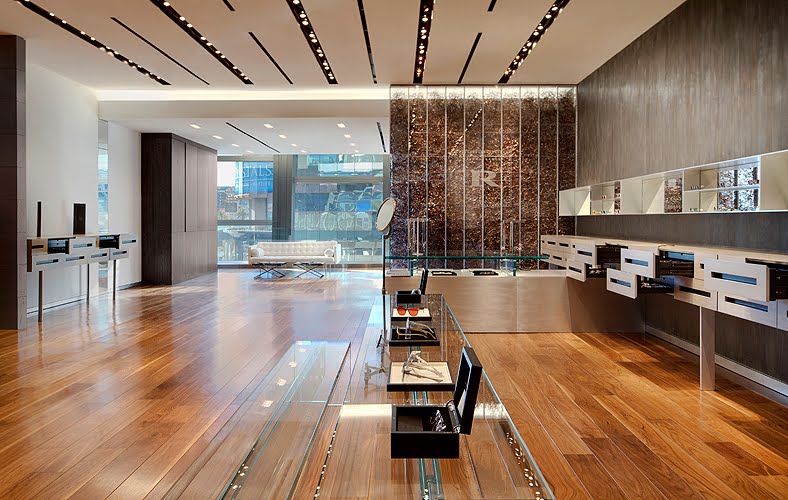
When The Cosmopolitan opened in Las Vegas, I photographed many of the retail stores and restaurants throughout the property. This image features Optics, one of the retail spaces that demonstrated how thoughtful design and lighting can shape the way customers experience a brand.
Why Consistency Matters in Retail Photography
Luxury retailers invest significant time and resources into creating stores that reflect their identity. Every finish, display, lighting fixture, and architectural detail is carefully selected to create a consistent experience, whether a customer visits one location or another.
Professional retail interior photography helps preserve that consistency. High-quality images ensure the same design standards are communicated across websites, advertising campaigns, presentations, leasing materials, and editorial publications.
Photography becomes an extension of the brand, helping businesses present themselves consistently wherever customers encounter them.
Photographing the Customer Experience
Successful retail photography goes beyond documenting shelves and merchandise. It communicates how a space feels.
Lighting plays an important role in that experience. It guides attention, highlights products, and creates atmosphere throughout the store. Architectural details, materials, and circulation all influence how customers move through the environment, and photography should reflect those relationships naturally.
Rather than focusing on individual displays, the objective is to capture the overall character of the space while allowing the design to remain the primary focus.
Creating Long-Term Value for Retail Brands
Retail photography often continues working long after the assignment is complete. The same images may appear in brand guidelines, marketing campaigns, investor presentations, design portfolios, media coverage, and future promotional materials.
That long-term value makes professional photography an important part of documenting completed retail projects. As stores evolve over time, these photographs also become a record of the original design, preserving the work of architects, interior designers, and visual merchandising teams.
Looking back, projects like this continue to reinforce an important lesson: successful retail photography isn’t simply about photographing a beautiful store. It’s about creating images that help brands communicate a consistent customer experience while showcasing the quality and craftsmanship behind every design decision.