
I photographed food and interior images for Milo’s Restaurant at the new Cosmopolitan hotel in Las Vegas.
The images will be used for their advertising campaign, website and media requests.
I had a great time shooting the project. All of the seafood is so fresh and delicious!
Here is one of the food images.
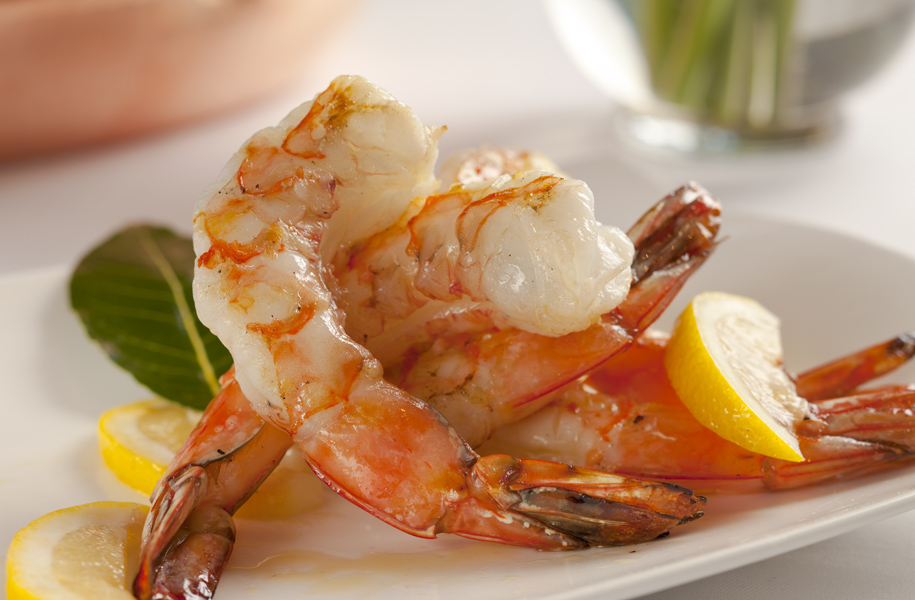
Commercial Food Photography for Restaurant Advertising
Professional food photography plays an important role in how restaurants present themselves to potential customers.
Before someone visits a restaurant, they may encounter its food through a website, advertisement, travel publication, or online restaurant listing. Those photographs help create expectations about the dining experience.
For a restaurant like Milo’s, where fresh seafood is central to the menu, the photography needs to communicate the quality and presentation of the food.
A commercial food photographer considers several elements when creating these images. Lighting, composition, color, and texture all influence how a dish appears.
The goal is to make the food look appealing while remaining true to its actual presentation.
This becomes particularly important when the same photographs will appear in different marketing materials.
Creating Food Images for Multiple Marketing Channels
One of the interesting aspects of this assignment was the variety of ways the restaurant planned to use the photographs.
The images were intended for an advertising campaign, the restaurant’s website, and media requests.
Each of these applications has different requirements.
Advertising photography needs to communicate a clear visual message. An image may appear alongside headlines, logos, or promotional information, so the composition must work within the overall design.
Website photography helps introduce the restaurant to potential guests. Food photographs can highlight signature dishes, ingredients, and the style of cuisine.
Editorial and media photography serves another purpose. Publications may request images to accompany restaurant reviews, dining guides, travel articles, or hospitality features.
Producing a versatile collection of photographs during one assignment gives the restaurant more options when promoting its business.
It also helps maintain a consistent visual identity across different platforms.
Photographing Fresh Seafood
Seafood presents some interesting challenges for professional food photography.
Fresh fish and other seafood can have delicate textures, subtle colors, and reflective surfaces. These details require careful attention to lighting.
Harsh light can create distracting highlights, while insufficient light may make the food appear flat.
The direction and quality of light influence how viewers perceive the ingredients and their presentation.
Timing is another important consideration.
Freshly prepared food often looks its best for a limited period. Temperature, moisture, and the natural appearance of ingredients can change while a dish sits in front of the camera.
This is why preparation and coordination are important during restaurant photography assignments.
The photographer needs to work efficiently while allowing enough time to create the right composition.
For seafood photography, preserving the natural appearance of the ingredients is especially important. The finished photograph should communicate freshness without relying on excessive styling or artificial-looking adjustments.
Why Restaurant Interior Photography Matters
Food is only one part of a restaurant’s identity.
The dining environment also influences how customers perceive the experience.
For this project, I photographed both food and interiors at Milo’s inside the Cosmopolitan Hotel.
Combining these two types of photography allows a restaurant to present a more complete picture of what guests can expect.
Interior photography can communicate the restaurant’s design, atmosphere, seating arrangements, and architectural character.
It also helps potential customers understand whether the setting is appropriate for a particular occasion.
A restaurant may use interior images on its website, in advertising campaigns, or when providing photographs to travel and hospitality publications.
For a commercial photographer, moving between food and architectural interiors requires different technical approaches.
Food photography often involves working close to the subject and paying attention to small details.
Restaurant interior photography requires a broader understanding of space, perspective, and the relationship between architectural elements.
Both are important when creating a complete photography collection for a hospitality business.
Consistent Photography Strengthens Restaurant Marketing
Restaurants often use photographs across many platforms, sometimes for several years.
When images come from unrelated sources or have noticeably different lighting and editing styles, the overall presentation can feel inconsistent.
A coordinated commercial photography assignment helps address that problem.
Food photographs, interior images, and other marketing visuals can share a consistent approach to color, lighting, and composition.
This doesn’t mean every image should look identical.
A close-up photograph of a seafood dish will naturally have a different composition from a wide restaurant interior. However, both should represent the same brand and dining experience.
For restaurants located within major Las Vegas hotels and resorts, professional photography is especially valuable.
These businesses compete for attention from local diners, tourists, convention visitors, and hotel guests.
Strong visual content helps them communicate what makes their dining experience distinctive.
Working as a Commercial Food Photographer in Las Vegas
My photography assignments often involve a combination of commercial food photography, architectural photography, and hospitality interiors.
Restaurants are particularly interesting because they bring several of these specialties together.
The food, interior design, and overall atmosphere each contribute to the restaurant’s identity.
A successful photography assignment should provide images that work individually while also supporting the larger marketing strategy.
For Milo’s Restaurant at the Cosmopolitan, the objective was to create professional food and interior photographs that could support advertising, website content, and media coverage.
Projects like this demonstrate why commercial photography is more than simply producing attractive pictures.
It’s about understanding how a business will use its images and creating photographs that remain useful across different marketing channels.
I enjoyed photographing the restaurant and its fresh seafood. It’s always rewarding to work on assignments that combine great food, interesting interiors, and commercial photography.

You might also like


