Food photography for Caesars Palace
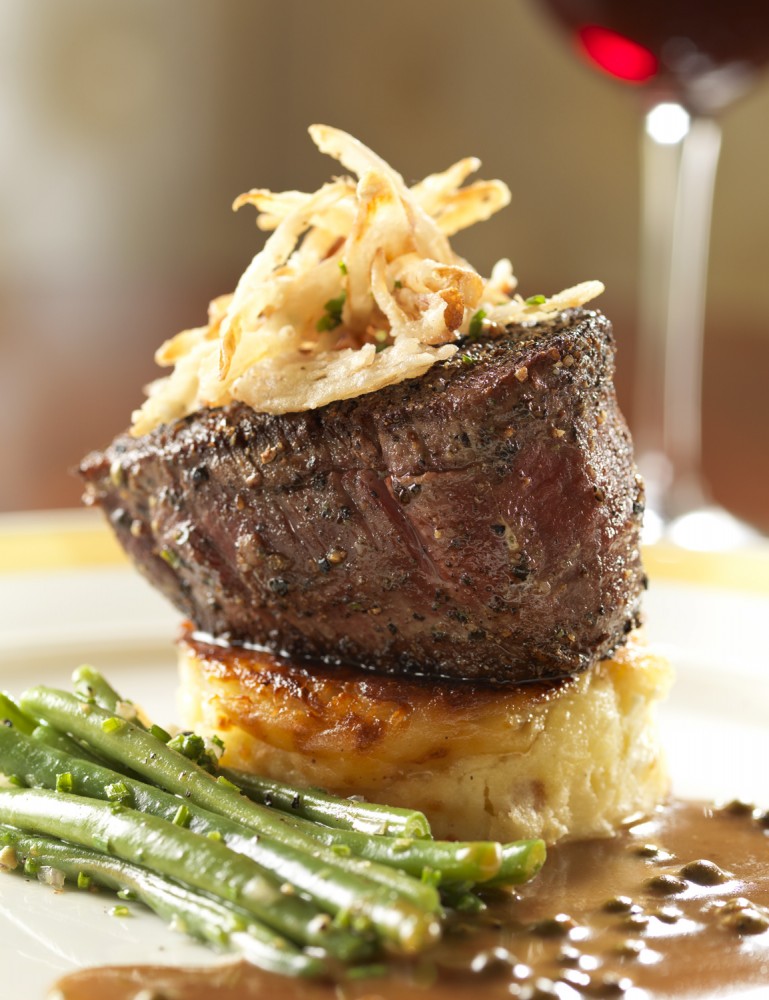
Last week I completed a new food photography assignment at Caesars Palace, photographing a selection of dishes from Payard that will be used for upcoming hotel advertising. Projects like this are a great example of how food photography plays a critical role in shaping how a restaurant or hospitality brand presents itself visually. While the shoot itself may focus on just a handful of dishes, the planning, lighting, and execution behind each image require a thoughtful and intentional approach.
As a food photographer in Las Vegas, much of my work involves creating images that feel refined, appetizing, and honest to the experience guests will have when they visit a restaurant. The goal isn’t simply to make food look good – it’s to communicate quality, care, and consistency through visuals that can be used across marketing platforms.
Photographing Food for Hotel and Resort Use
Hotel-based restaurant photography presents a unique set of challenges compared to standalone dining venues. Images often need to serve multiple purposes, from advertising and digital campaigns to internal marketing and brand materials. In this case, the photographs were created specifically for hotel advertising, which means they needed to feel polished, timeless, and versatile.
When working as a food photographer Las Vegas, I often collaborate with marketing teams who already have a clear vision for how the images will be used. That influences everything from composition and lighting to framing and color balance. For this shoot, the emphasis was on creating clean, appetizing visuals that highlight texture, freshness, and presentation without over-styling the food.
One of the dishes we photographed was a steak that immediately stood out for its presentation. Capturing something like that requires careful attention to highlights, shadows, and surface detail so the image feels rich but natural. Food photography at this level is about restraint as much as technique – letting the ingredients speak for themselves.
The Role of Lighting in Food Photography
Lighting plays a central role in every food photography assignment I take on. Whether shooting in a studio or on location inside a resort kitchen or dining area, the goal is to shape light in a way that enhances form and texture without overpowering the dish.
In hotel environments, lighting conditions can vary widely, so adaptability is essential. Sometimes the ambient light works in your favor, while other times it needs to be controlled or supplemented. As a food photographer in Las Vegas, I’m often working in spaces designed for atmosphere rather than photography, which means carefully balancing practical lighting with photographic needs.
Soft shadows, controlled highlights, and natural color are key. The final image should feel inviting and believable – something that reflects what guests can expect when they order the dish themselves.
Why Professional Food Photography Matters
High-quality food imagery plays a major role in how restaurants and hospitality brands communicate value. In competitive markets like Las Vegas, strong visuals help distinguish one venue from another. Food photography supports everything from websites and social media to advertising, menus, and press features.
Good photography also builds trust. When potential guests see clear, well-lit, thoughtfully composed images, they form an immediate impression of quality and professionalism. That’s why many resorts and restaurant groups invest in experienced photographers who understand both culinary presentation and brand storytelling.
Working as a food photographer Las Vegas, I’ve seen firsthand how consistent, well-produced images can elevate a restaurant’s visual identity over time. Even a small collection of strong photographs can have a long lifespan across marketing campaigns.
A Focus on Process and Collaboration
Every shoot is a collaboration. Chefs, marketing teams, stylists, and photographers all play a role in shaping the final result. My approach is always to work efficiently and respectfully within that team dynamic, ensuring the process stays smooth while delivering images that meet the project’s goals.
This recent assignment at Caesars Palace was another example of how thoughtful collaboration leads to strong results. By focusing on the essentials – lighting, composition, and authenticity – the final images are well suited for advertising use while remaining true to the food itself.
Food photography continues to be one of the most rewarding areas of my work. It combines technical precision with creativity and requires a strong understanding of how images function in commercial contexts. Whether for hotels, restaurants, or hospitality brands, creating images that feel natural, appetizing, and purposeful remains the priority.